Relationships Over Time: The Science Behind Fading Passion and the Way Back
Modern science shows that long-term relationships are shaped by biology as much as emotion. Attraction at the beginning of a relationship is driven by an intense neurochemical state, but that state is not designed to last forever.
1. The limerence phase
In the beginning, dopamine, norepinephrine, and novelty create a highly energized state. People think about each other constantly, feel strong anticipation, and experience a surge of emotional intensity.
2. The decline of early chemistry
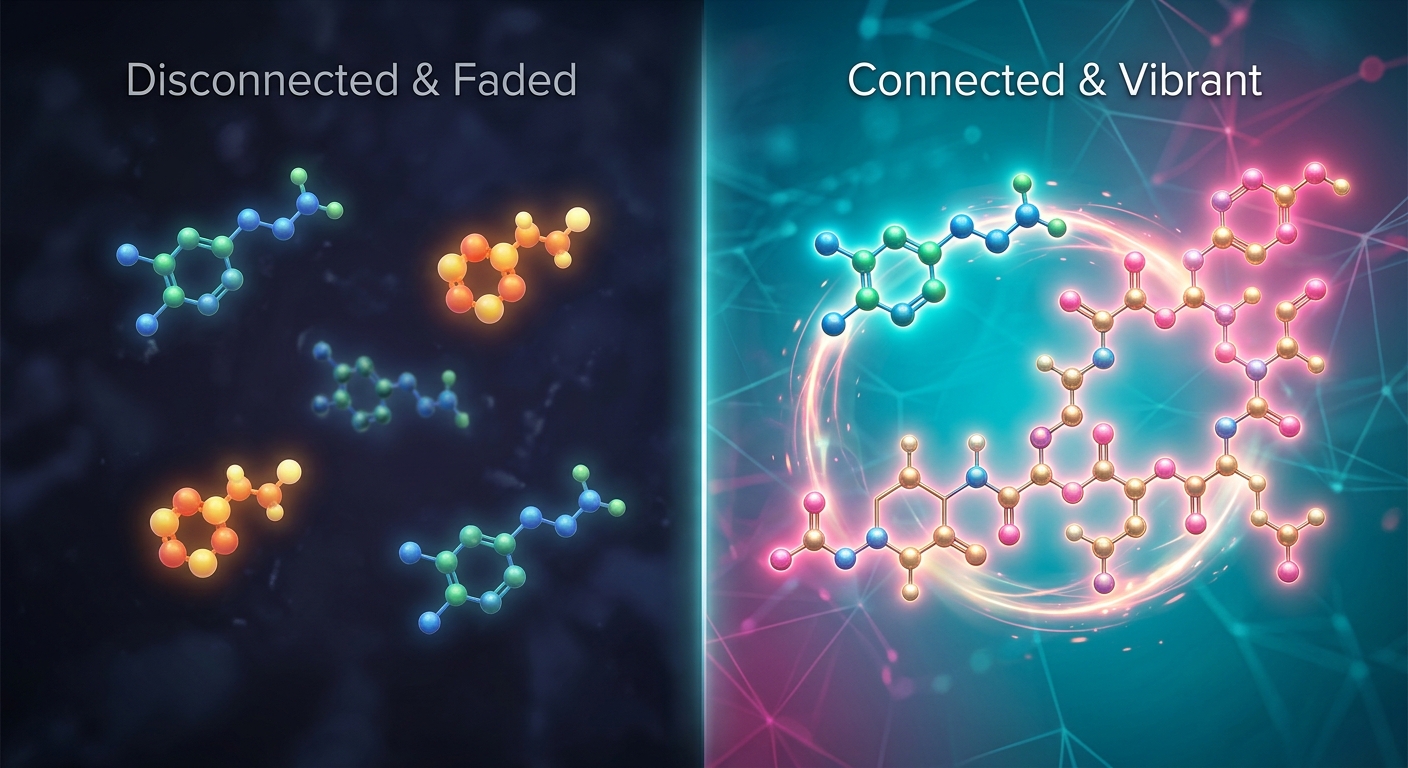
After roughly 18 to 36 months, the body becomes less reactive to the chemicals associated with early-stage infatuation. Excitement can drop, and what once felt effortless may begin to require conscious work.
3. The shift into stress
When couples do not build deeper mechanisms of trust and closeness, the brain may replace excitement with irritability, defensiveness, and emotional distance. Oxytocin falls, cortisol rises, and a partner can start to feel like a source of stress instead of safety.
4. How IntHypno changes the pattern
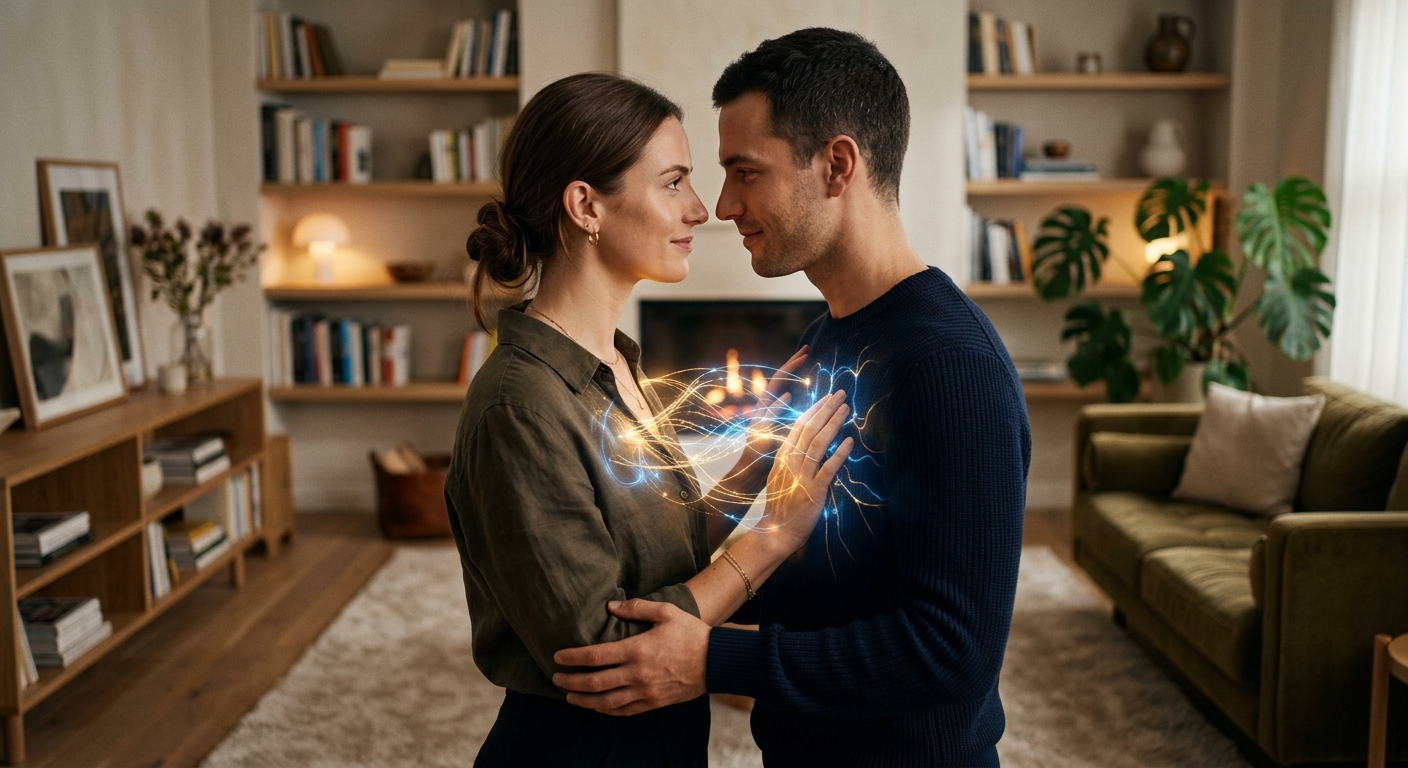
Partner hypnosis gives couples a way to intentionally reactivate reward circuits and rebuild emotional safety. Through suggestion, touch, repeated cues, and trance-based learning, the brain can begin to associate a partner with calm, pleasure, security, and renewed desire again.
Rather than hoping chemistry returns on its own, the process uses structured repetition to create a new relational pattern. This is what makes the method powerful for couples who want more than advice. It gives them a direct way to retrain emotional responses together.